Our Work Current Projects

For 30 years, the Samuel Foundation has been supporting disadvantaged children and adolescents in the field of education, primarily in Central America and South Asia. Through the foundation, young people in need receive access to qualified technical education in professional fields in which skilled personnel are urgently needed. In India, Costa Rica and Nicaragua, the Samuel Foundation trains young people in its own centres with high quality standards and in close cooperation with authorities and companies. Moreover, the foundation places its students in qualified jobs after they have completed their technical education. This gives teenagers and young adults the chance to lead a self-determined life and to take their future into their own hands. In Germany as well, the foundation is committed to improving the prospects of young people. This is how we want to come a little closer to our vision of a world of fair educational opportunities and future prospects for everyone.

Costa Rica

Costa Rica

Costa Rica is considered one of the most progressive and politically stable countries in Latin America. The country has been a democratic presidential republic since the 1950s. In economic terms, Costa Rica has developed very positively over a long period of time and is also considered a Central American role model in terms of environmental and climate protection - the country wants to become completely climate-neutral by 2050.

Germany

Germany

The foundation's international work is coordinated and managed from its head office at Königsallee 14 in Düsseldorf/Germany. On the one hand, the Düsseldorf office administers the foundation's income, its fixed assets. On the other hand, the six-member German team supports the operational work of the foundation's Centres for Technical Education in Asia and Central America. It also initiates and manages other international aid and cooperation projects and carries out actions to acquire third-party funding.

India

India

India: a country between poverty and upswing. The economy of this country of 1.38 billion inhabitants is growing fast. The growth rates of the gross domestic product are regularly above 8%. But not everyone is benefiting from this growth. At the same time, India is home to the largest number of poor people in the world: a good 268 million people have to get by on less than 1.90 US dollars a day.

Nepal

Nepal

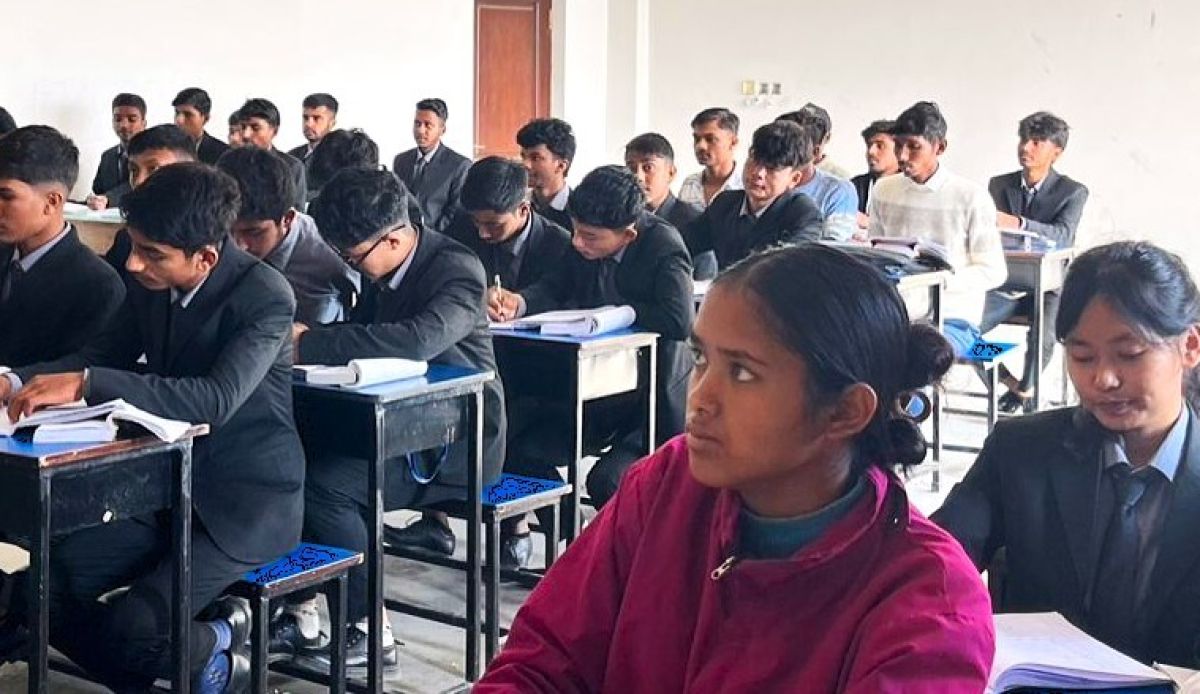
From the high peaks of the Himalayas to the subtropical plains of the Terai, Nepal is a land of contrasts, where ancient traditions meet a very young population. However, career prospects for young people in Nepal are extremely challenging. The training and labour market is often characterised by courses of an extremely short duration, low wages and high youth unemployment of over 20%. 

Peru

Peru

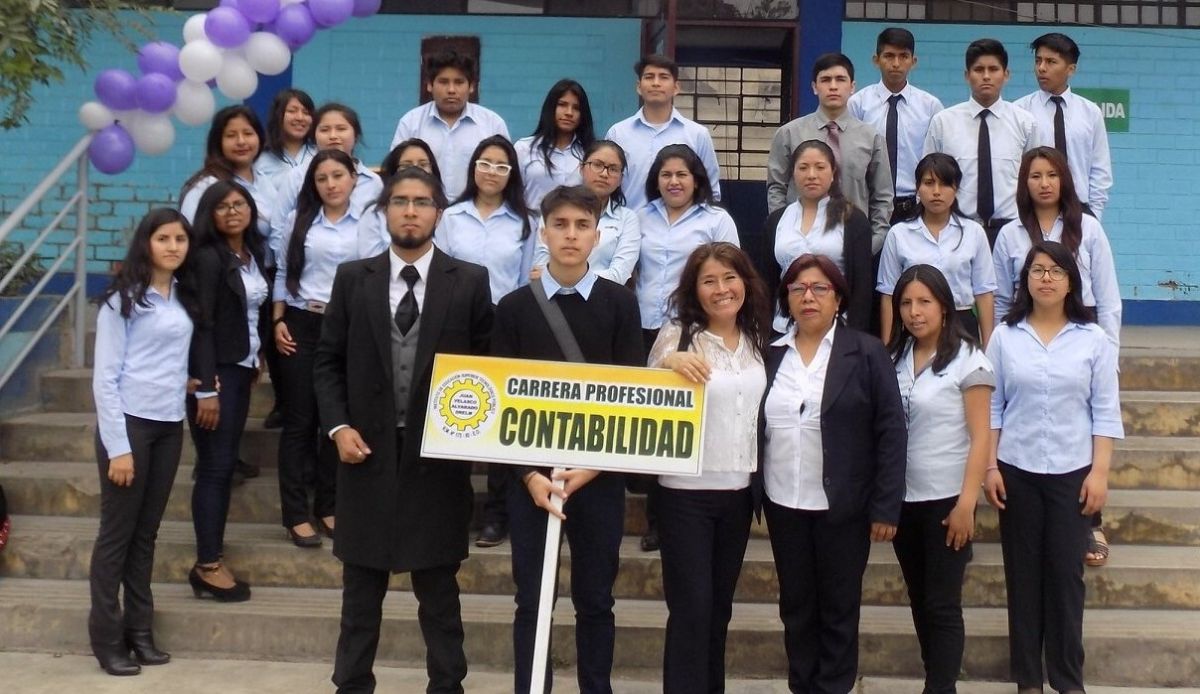
Nestled between the Pacific Ocean, the Andes and the rainforest, Latin America’s third-largest country fascinates with its scenic and cultural diversity. At the same time, despite economic progress, it continues to face significant economic challenges: Although Peru’s economy has grown over the decades, just under 28% of the population still lives in poverty; among those under 17, the figure is as high as 36%. Over 60% of the working population remains in precarious employment with no stable prospects for their future – and here too, young people are particularly affected, accounting for over 80% of this group. A lack of training opportunities and regular employment means that they see hardly any prospects for a self-determined life.

Nicaragua

Nicaragua

Nicaragua, the geographically impressive "land of lakes and volcanoes", is also one of the poorest countries in Latin America. Here, around 45% of the population live on less than US$ 1 per day. A contributing factor is that the economy of this Central American state is predominantly based on agriculture. Moreover, the country was set back considerably by long years of civil war in the 1970s and 80s. With the end of the war in 1990, new perspectives had to be created, especially for young people.